
Hantavirus in Argentina
Last updated: May 9, 2026
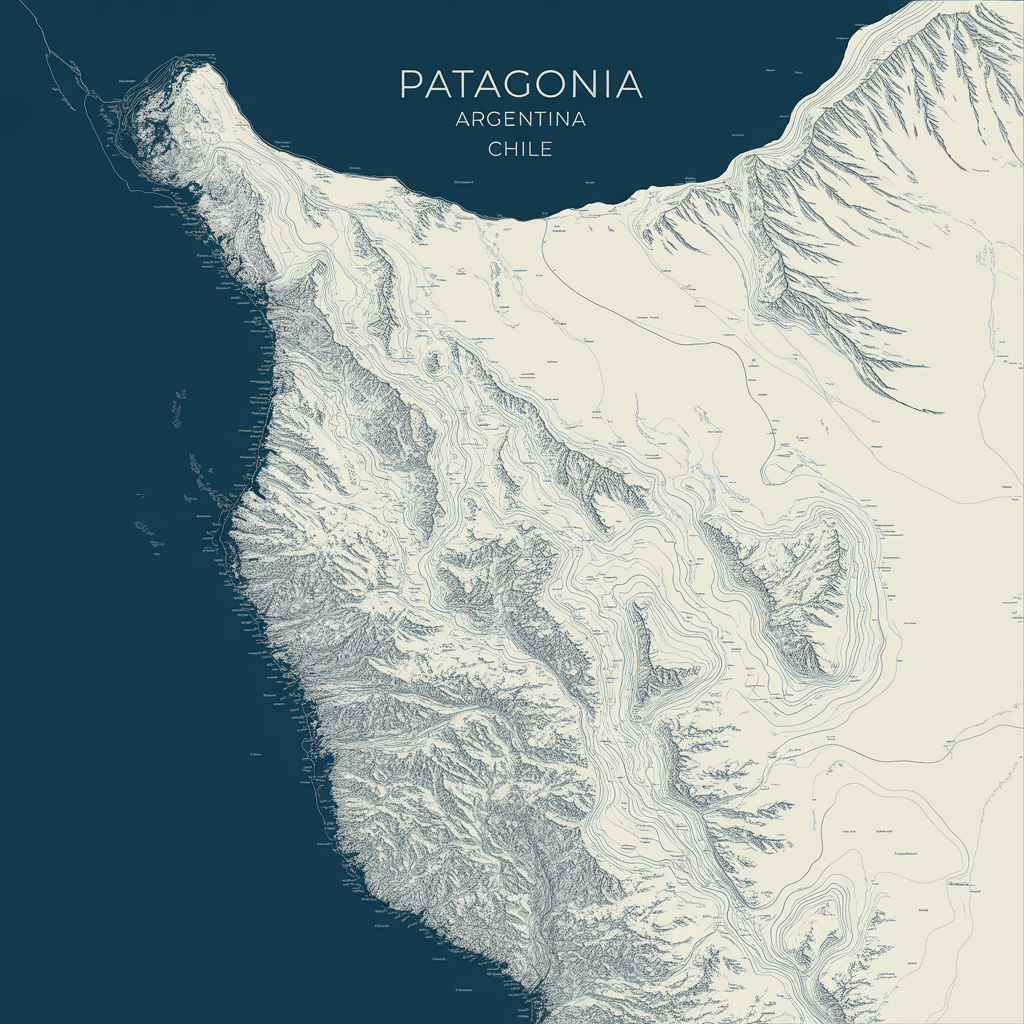
Risk in Patagonia: HIGH — 2026 surge
From June 2025 to May 2026, Argentina has recorded 101 hantavirus infections — double the 57 cases registered during the same period of the previous season. Epidemiologists link the increase to climate change: atypical rainfall in the Patagonian steppe triggered a population boom of the long-tailed rice rat (Oligoryzomys longicaudatus), the primary reservoir of Andes virus. Urbanization in wild areas and habitat changes are also cited as contributing factors.
Highest-risk provinces
Peak risk season
Incidence is highest between October and April (austral spring-summer), coinciding with peak long-tailed rice rat activity and the Patagonian tourist season. Outbreaks can also occur in autumn following years of high seed productivity, which drives rodent population surges.
Connection to the MV Hondius outbreak
The index case of the 2026 MV Hondius cluster was a Dutch citizen who spent four months (November 2025 – April 2026) road-tripping through Chile, Uruguay, and Argentina before boarding. Argentina's health ministry published a detailed report tracing his movements through Patagonian regions where the long-tailed rice rat is endemic.
Full Hondius outbreak timeline →Travel advice
- →Check current epidemiological situation at Argentina's Ministry of Health before traveling to Patagonia.
- →If staying in rural cabins or trekking: follow all rodent-avoidance precautions.
- →Inform your doctor of Patagonian travel if you develop symptoms within 8 weeks of returning.
- →Avoid entering enclosed spaces (cabins, refuges, barns) without 30 minutes of prior ventilation.
Argentina Ministry of Health: argentina.gob.ar/salud/hantavirus